
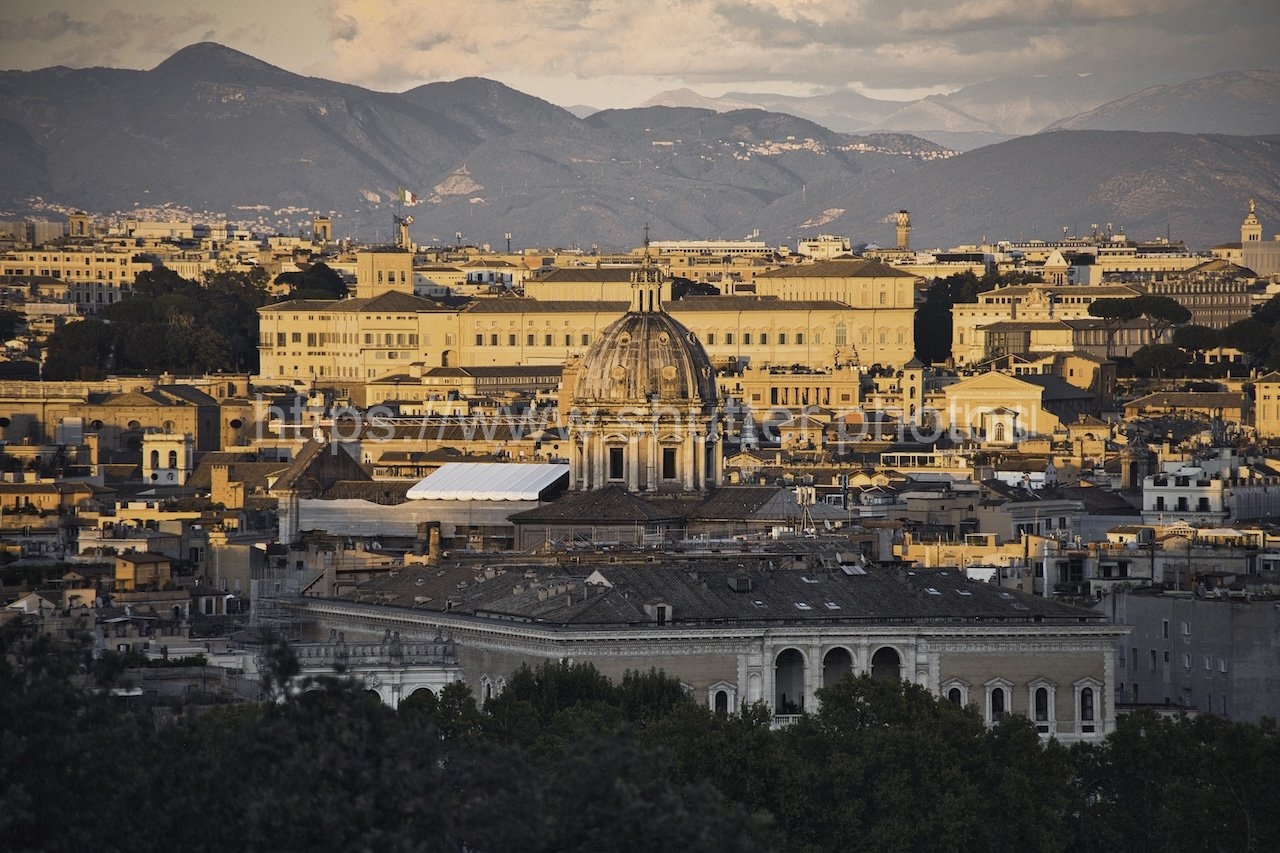
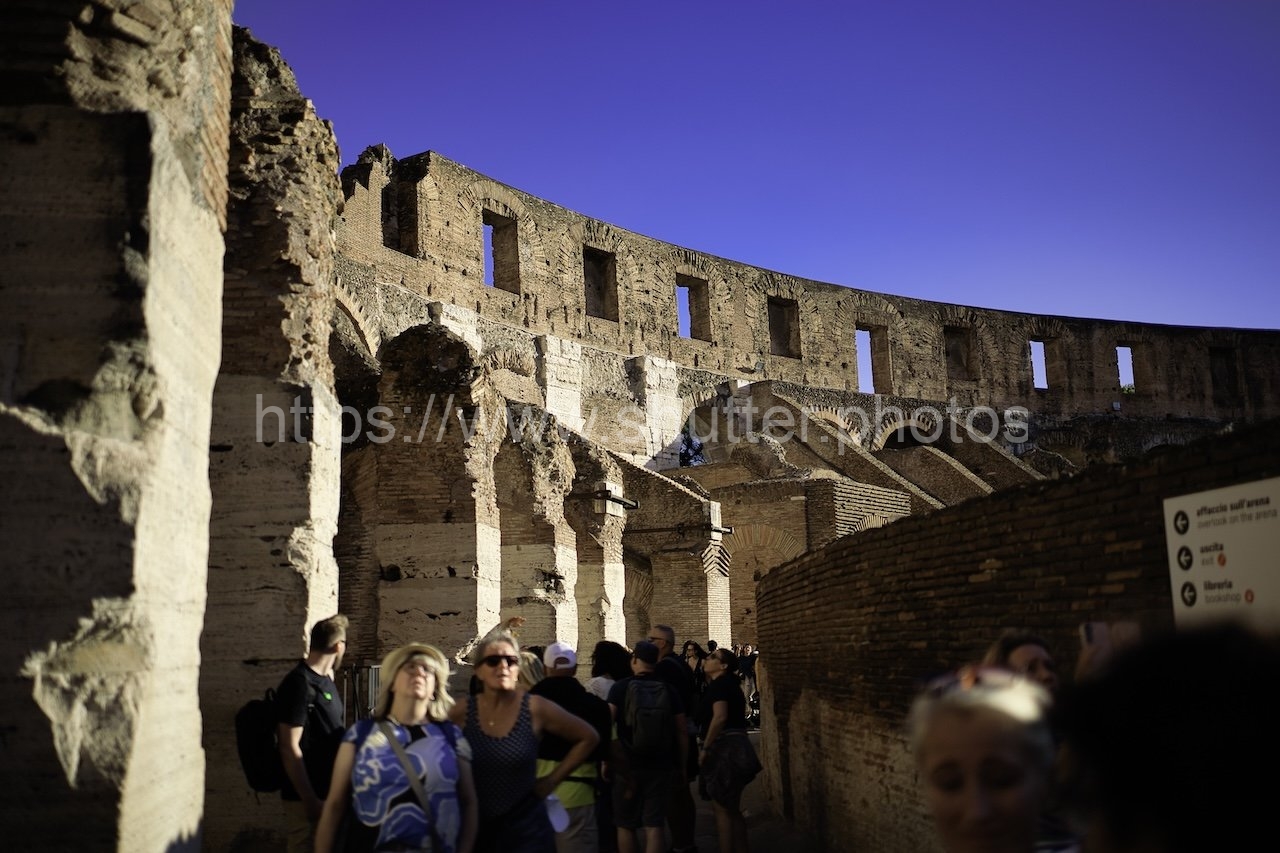
The sun beat down on Rome, making the air feel heavy and thick like it could be sliced with a knife. It was the 1950s, but the timeless crush of tourists made it feel almost eternal.
Thousands of people crammed into every corner of the city, each of them straining to glimpse some sliver of the eternal that Rome supposedly held. Henry, our observer, our skeptic, wandered through this swarm, feeling like a sardine in a tin, but with the added danger of a pickpocket slipping a hand into his back pocket.
When he reached the Fontana di Trevi, the scene was a cacophony of shouts, camera clicks, and the frustrated murmurs of tourists. Bodies pressed together so tightly that even breathing felt like a challenge. Henry stared at the sea of heads bobbing in front of the fountain, all trying to edge their way closer to the water.








People flung coins over their shoulders as best they could, but there was no room for the romantic flourish the postcards promised. A tourist from Kansas nearly elbowed a Frenchman in the face as he tried to hurl his coin, and Henry couldn’t help but smirk at the absurdity. It wasn’t “Will my wish come true?” but rather, “Will I be trampled to death?” and “Is someone lifting my wallet while I’m trying to see this damn fountain?”
He thought about joining the chaos, tossing in a coin of his own, but the scene felt more like a gladiatorial battle than a place to wish for love or fortune. He slipped away, letting the crowd absorb itself again, like a giant, squirming organism oblivious to his retreat.
The Pantheon was no better. Henry found himself at the back of a line that snaked around the ancient square, a serpent of sweaty tourists, clutching their guidebooks and brochures as if they were life rafts. He couldn’t help but draw an analogy to Ancient Rome, imagining slaves waiting in line for a ration of bread, their eyes hollow with the endless wait. Here they all were slaves to their own hopes of witnessing history, waiting for their small moment under the Pantheon’s dome. He watched as a child complained to his parents about the heat, his voice a high-pitched whine against the hum of the crowd.
It struck Henry as odd, the contrast between the timeless weight of the marble and the mundane impatience of the people here. No one seemed to see the irony; no one seemed to care that they waited longer to get inside than any Roman ever would have dared to spend praying beneath the oculus.
Eventually, Henry peeled away from the line, deciding that he would rather not spend his afternoon packed in among sweaty tourists who fanned themselves with cheap paper fans. He wandered on, feet taking him toward the Vatican. Perhaps there, he thought, he might find a moment of peace.
But peace wasn’t part of the Vatican’s plan either. St. Peter’s Square stretched out before him, a vast sea of empty chairs, all set in perfect rows behind metal fences. The seats looked like they were waiting for an audience that had never come as if some great cosmic event had been canceled at the last moment. Tourists gathered at the barriers, staring at the chairs with a mixture of curiosity and confusion, their heads bobbing like spectators at a bizarre play. Henry wondered if they imagined themselves sitting in those chairs, being part of something grander than the line they’d just escaped.
He imagined the Pope, tucked away in his chambers, trying on a new pair of red slippers—pantofole papali, they called them—oblivious to the throngs below, oblivious to the heat that pressed down on the city. Maybe he sipped a glass of cold water, thinking only of the next sermon or his daily prayer, untouched by the mundane concerns of sweat and heatstroke. Henry had to laugh at the absurdity of it all, this grand stage where the audience sweated outside the gates while the star of the show stayed hidden in the wings.
The day dragged on, and the crowds never thinned. Henry ducked into a café, more for the promise of shade than anything else. He ordered a caffè, knowing it would be perfect before he even took the first sip. Still, he couldn’t resist the ritual of pretending to search for a bad cup. He lifted the espresso to his lips, took a deep breath, and tasted the deep, rich bitterness. He let out an exaggerated sigh and muttered, “Can’t find a lousy coffee in this place,” even though he knew the game was up. A chuckle escaped him—here he was, trying to find imperfection in a city that defied it.
His thoughts drifted to the food again, to the simple pleasure of it. Rome might not give him solitude or serenity, but it fed him well. He dreamed of the carbonara he’d had the night before, each bite a miracle of texture and flavor—al dente pasta, the guanciale crisp and savory, the creamy egg clinging to each strand. He could still taste it on his tongue, that lingering richness that no crowd could spoil. There, at least, was something that he didn’t have to share with anyone, no matter how tightly the tourists packed around him.
And as Henry sipped the last drop of his espresso, watching the chaos churn outside the café window, he wondered if maybe this was the essence of Rome. Not the solitude he craved, not the quiet contemplation he’d imagined, but the messy, overheated, overstuffed reality of it. Tourists scrambling for a view, standing in lines that stretched like rivers, staring at empty chairs. He finished his drink, paid his bill, and stepped back into the sunlight, knowing that tomorrow, when he boarded the train back to wherever he came from, he’d take this with him—the memory of a city that refused to be perfect, even as it offered a perfect meal.